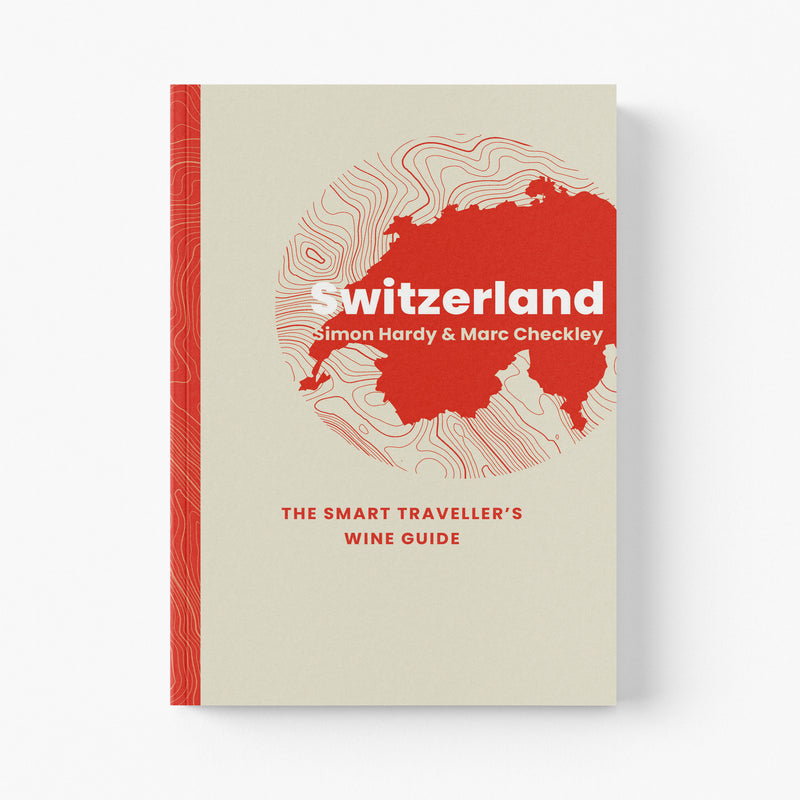
The first three wines are available in the UK through Alpine Wines. The remaining wines are available in Switzerland and in other mainland European retailers
Bechtel Weine, Pinot Noir, AOC Zurich, 2022
From the far north of Switzerland, steep slopes overlooking the Rhine river. Lovely fresh brambly nose, very delicate character to fine, silky tannins, fine sweet mid-palate. Bracing acidity and fine juice throughout. A very attractive wine, fine-boned with good grippy texture. Maturation is all stainless steel. The price is high for what is a charming but uncomplicated wine.
Available from Alpine Wines, £53 per bottle
Domaine Jean-René Germanier, Pinot Noir Balavaud Vétroz Grand Cru, AOC Valais 2023
Stainless steel only. Dark intense nose. This has opulence; quite dark and alcoholic, but with balance even though the mid palate is quite hot. Dry and tannic, spicy, savoury, with good weight and heft. Germanier is one of Switzerland’s biggest producers, with around 1m bottles a year from 150ha.
Available from Alpine Wines, £30 per bottle
Domaine Jean-René Germanier, Pinot Noir de Vex, Clos de la Couta, AOC Valais 2022
From a single vineyard steep even by Valais standards. Vinified in new 500l barrels, one third whole bunch ferment. Aged 16 months in oak.Fresh nose, very fine early palate with very distinctive 'classic' Pinot character, sweet and juicy with a very good dry finish washed with juice. A serious, foodie wine, the oak a little dominant at this young age but will be interesting to see how it matures. Sophisticated but very expensive
Available from Alpine Wines, £85 per bottle
Le Vin de l’A, L'Alter-natif, AOC Valais 2022
Founded in 2018, at four hectares and making some 15,000 bottles, Le Vin de l’A is one of the smallest estates in the line-up. Bright nose and on the palate tight intense tannins kicking in early on. Good fresh juice chasing brisk acidity. Textural, delicate with great purity of fruit. Assured winemaking, especially given the lack of intervention: wild yeast fermentation, about 40% whole bunch, 15 months in oak, no fining, no filtration, and no added sulfites. It’s very difficult to make a wine as well-balanced and charming as this with little intervention.
Grillette Domaine de Cressier, Pinot Noir Réserve ‘Graf Zeppelin’, AOC Neuchâtel 2022
From the Three Lakes region in the mid-west of Switzerland. 18 months in new oak French barriques. Powerful dark fruit nose with black cherry – rather good. This is a tannic, intense, young wine. The black cherry comes back on the palate slightly jammy but by no means unattractive. The tannins become tart. I’m a little dismayed by the oak which dominates the mid-palate. Will it calm down over the next couple of years?
Weingut Bad Osterfingen, Reserve Privée, AOC Schaffhausen 2022
From the German Swiss region. There’s a certain rawness to this wine – hot green notes on the nose that makes one wonder, is it simply youthfulness, or have they picked too early? With that greenness comes sweet opulence, so it becomes fresher. Bampfield says the raw tannins remind him of some German Spätburgunder. All in all it’s a hot, dry, tight mid-palate that softens in the mouth and ends with attractive (and welcome) juice. Eighteen months in French oak barriques
Cottinelli Weinbau, Halde Chur Pinot Noir Reserve, AOC Graubünden 2021
Still in the German Swiss region. This is 'Heidi country', Hardy notes. It’s where Johanna Spyri set her 1880 tale of a five-year-old orphan girl growing up in the Swiss Alps. To many Heidi is the personification of everything Swiss. The wine has a sweet redcurrant nose delicate tannins and nicely balanced acidity. There’s a bit of alcohol heat but a good, sweet, juicy length mitigates that. Rounded, opulent, very good.
Weingut zur alten Post, Pinot Noir Novant, AOC Graubünden 2020
Only 600 bottles were made of this wine; the total output of this 7ha estate is around 45,000 bottles. Lovely ripe seductive nose leading to a very modern palate in the way that it is ripe, soft and perfectly attuned to what today’s red wine drinker wants – something that has complexity and depth but is fresh of colour, taste and texture. There are vegetal notes (this is 100 per cent carbonic maceration) but these are just part of a very attractive whole.
Histoire d'Enfer, Pinot Noir L'Enfer du Calcaire, AOC Valais 2020
Back to the vineyard-lined slopes of the Valais. This wine is aged for 12 months in French oak barrels and 6 months in stainless steel. The nose is very fine and sweet with rich red fruit – seductive. The palate is bright, vibrant with soft tannins and tingling acidity and the earthiness of Pinot Noir. Juice at finish leaves you refreshed and ready for the next mouthful of the very good canapés that 67 Pall Mall supplies their members at tastings (at press tastings we make do with breadsticks). Very good. Bampfield is very impressed: 'This could stand against the best Pinot Noir in the world'.
Histoire d'Enfer - Pinot Noir Calcaire Absolu, AOC Valais 2018
From a smaller, chalky and very stony single plot, extremely steep at an altitude of 650m. The vines are 45 years old. Matured for 12 months in 600l new French oak casks. The chalk soil gives a light and fresh style, as do the big casks. Powerful, balanced, pure fruit with a very fine finish. An excellent wine as the last in the lineup.